ABOUT THE BOOK
About The Book
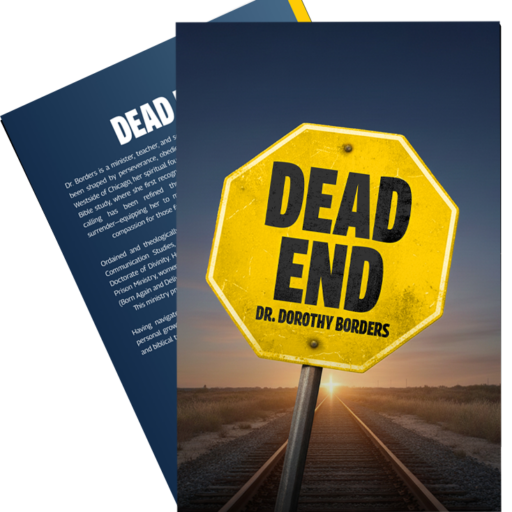
Dead End speaks to moments in life when progress feels unclear, and direction seems lost. It focuses on the quiet pauses people often avoid, yet these pauses hold meaning and purpose. Instead of presenting quick answers, the book encourages reflection, helping readers understand where they stand and why certain patterns repeat.
At its core, the book explores personal growth through honesty. It highlights how routine, fear, and past experiences can lead to stagnation; however, it also shows that change begins with awareness. Each chapter presents ideas that are easy to follow, yet they invite deeper thought about faith, choices, and responsibility.
Faith plays a steady role throughout the book. It is presented in a grounded and relatable way, allowing readers to reconnect with it without pressure. At the same time, the message remains practical. It encourages small steps forward rather than overwhelming change, making progress feel possible and realistic.
The book also addresses purpose from different angles. It explains that delays and setbacks are not always negative; instead, they can redirect attention toward what truly matters. As a result, readers begin to see challenges with a clearer perspective.
Additionally, Dead End speaks to individuals at various stages of life. Whether someone feels stuck early on or later in life, the message remains relevant. It offers reassurance while also encouraging action.
Overall, the book creates space for reflection, growth, and renewed direction. It reminds readers that even when the road seems closed, another path can still appear.